Volare Study delivers first patient-derived iPSC lines
The Rare Bird Foundation is elated to announce that, as part of the Volare Study at Weill Cornell Medical Center, we have delivered the MCHS community’s first patient-derived iPSC lines (“induced pluripotent stem cells”). This is a huge accomplishment for our community and will improve the efficacy and efficiency of our treatment development agenda.
iPSCs enable researchers to model rare diseases like MCHS in the lab. They are key tools in developing disease-focused therapeutics, as they allow scientists to test therapies in human cells with mutations from patients with the disease. The iPSC lines derived from participants of the Volare study represent a wide cross section of MCHS patients, varied in age, sex, mutation type, and disease severity, and are available to all MEF2C researchers worldwide.
“The new availability of MCHS patient-derived iPSCs could be a game-changer for the MEF2C families,” says Dr. Christopher Cowan, Chair of Neuroscience at the Medical University of South Carolina, who is developing a viral gene therapy and an RNA-based therapy for the MCHS community. “IPSCs will allow scientists to test candidate therapeutics on actual patient cells in a dish. If the treatments are effective, the iPSC findings could shorten the path to FDA approval and first-in-human studies."
Read more about iPSCs and their application here:
Induced pluripotent stem cells (iPSCs): molecular mechanisms of induction and applications | Signal Transduction and Targeted Therapy
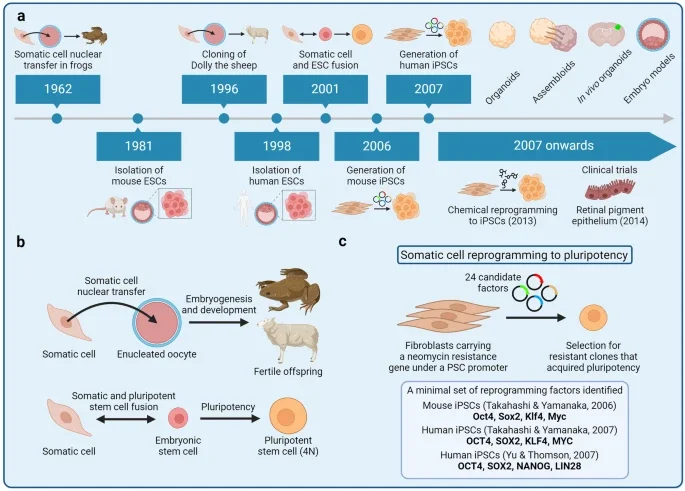
Gurdon, J. B. The developmental capacity of nuclei taken from intestinal epithelium cells of feeding tadpoles. J. Embryol. Exp. Morphol. 10, 622–640 (1962).
On behalf of the Volare study team led by Dr. Zachary Grinspan and all of our sponsors and partners, Rare Bird extends its continuing thanks to every patient participating in the study and submitting samples as part of the study, and to all of the amazing parents and caregivers who facilitate this participation. Together, we can keep up this fantastic momentum and continue to chart a new court for MCHS patients worldwide.
#strive4five
Rare Bird Foundation (US)
MEF2C Foundation (UK)
MEF2C Hilfsorganisation (Germany)
MEF2C Foundation (Australia)
Weill Cornell Medical Center NYC
Medical University of South Carolina