

CHIRP: The MEF2C Blog
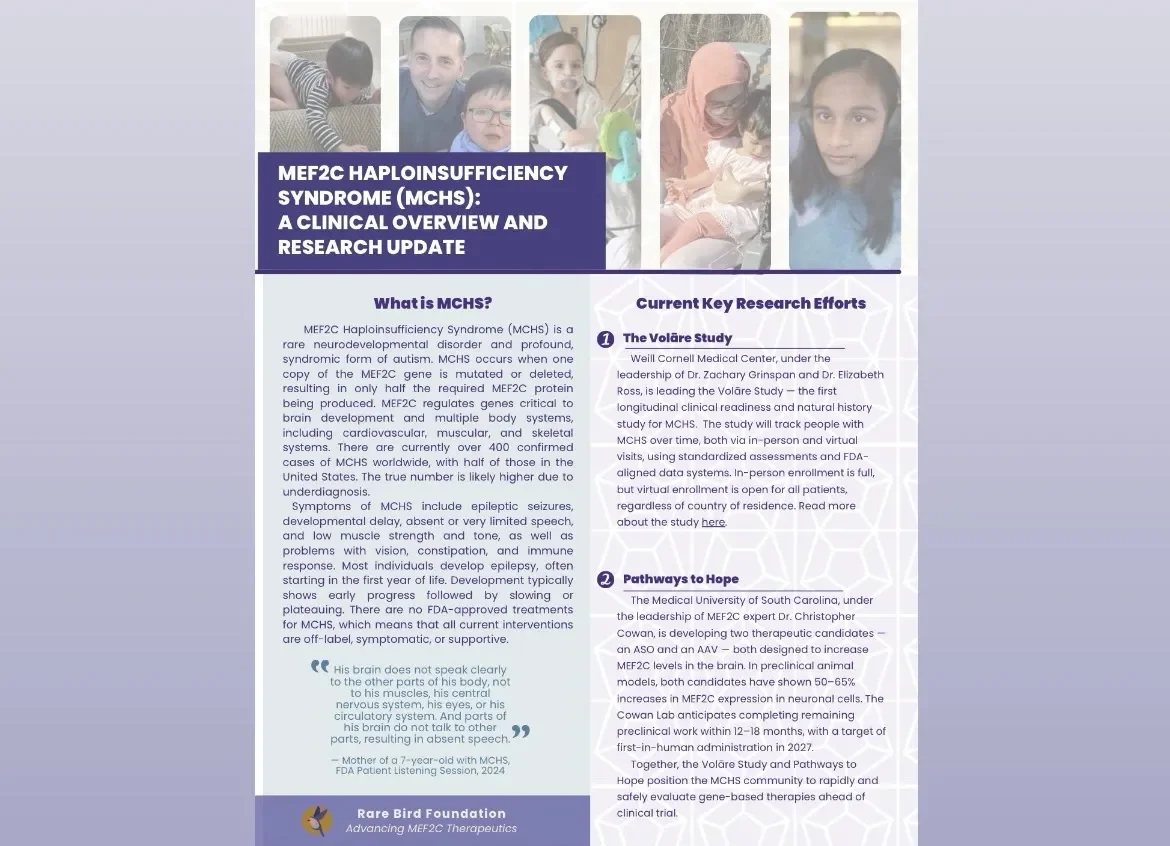
Clinical One-Pager
This one pager contains a concise summary of MCHS, educates practitioners about important research and how they can be involved, and shares some additional resources. We hope you find it helpful and feel excited to share it with your primary care provider, specialists, therapists, educators, and even family. Link in blog!
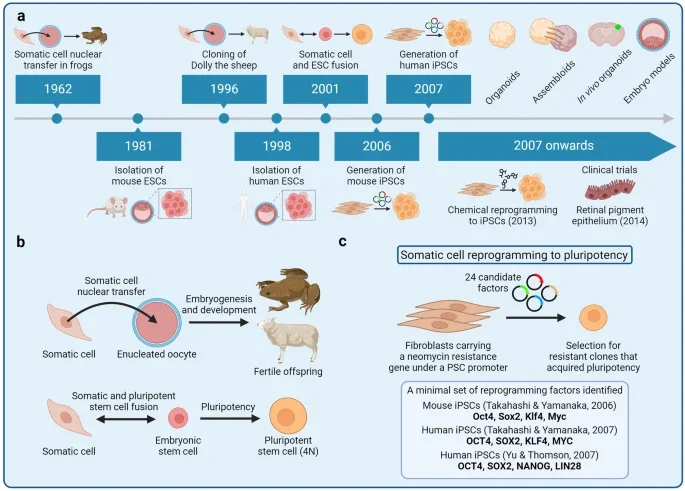
Volare Study delivers first patient-derived iPSC lines
The Rare Bird Foundation is elated to announce that, as part of the Volare Study at Weill Cornell Medical Center, we have delivered the MCHS community’s first patient-derived iPSC lines (“induced pluripotent stem cells”). This is a huge accomplishment for our community and will improve the efficacy and efficiency of our treatment development agenda.

Rare Bird Welcomes New FDA Guidance on Rare Disease Treatment
The Rare Bird Foundation was thrilled to be invited to participate in the FDA's announcement of their new framework for accelerating rare disease therapeutics. The team at Rare Bird has been engaging with the FDA early and often, and we are looking forward to continuing to do so as we advance our therapeutic development agenda for MCHS. The FDA's exciting announcement will allow the MCHS community to leverage our RNA-based therapeutic candidate (in development at the Medical University of South Carolina) and our community's rigorous natural data (from the Volare Study at Cornell) to more quickly bring needed relief to our patients.
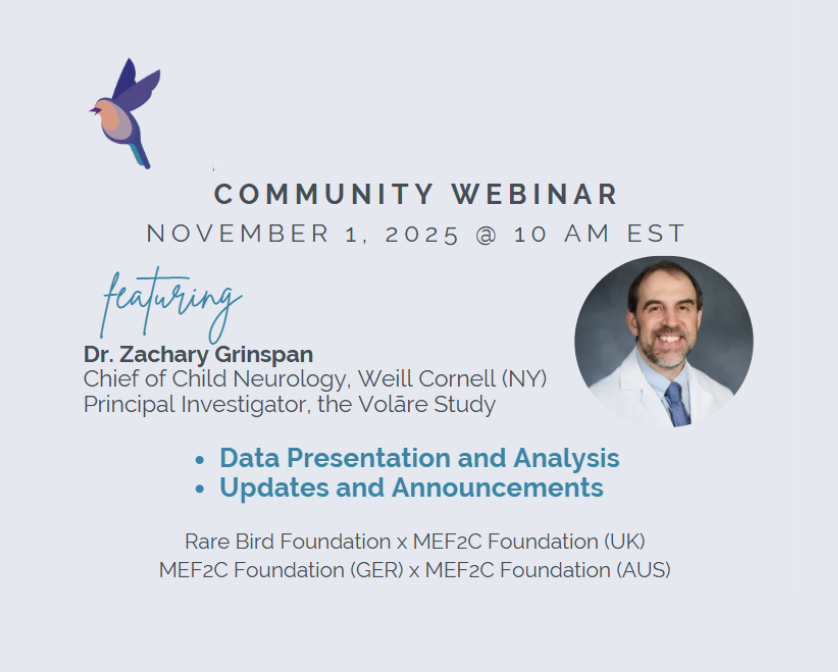
MEF2C Haploinsufficiency Syndrome Volare Study Webinar
On November 1, Dr. Zachary Grinspan (Chief of Child Neurology at Weill Cornell (NY) and Principal Investigator of the Volāre Study) lead a community webinar. Read the transcript of the meeting here.
Join the Volāre Study: https://redcap.link/MEF2C_WCM_registry
Donate to the Volāre Study: https://www.gofundme.com/f/global-steps-for-mchs

Leucovorin: a Path to Hope in Autism?
In September 2025, the FDA updated the leucovorin tablet label to include its use for symptoms linked to cerebral folate deficiency in autism. Although the supporting data is still preliminary and not yet conclusive, this marks an encouraging step forward for families exploring new treatment options!
You might be wondering how leucovorin fits into the picture with autism. While the exact link isn't crystal clear yet and researchers are still digging deeper, some studies suggest it could help, especially for children with autism who also have low folate levels in their brains. I’ll try to explain this as simply as possible.

How to read your child’s genetic test results
When you receive a diagnosis of MEF2C haploinsufficiency syndrome, you likely underwent genetic testing. There are a few different types of genetic tests that could have led to a diagnosis: a chromosomal microarray, epilepsy gene panel, or whole exome or whole genome sequencing. For each type of testing, there could be different “flavors” of results that could come up.
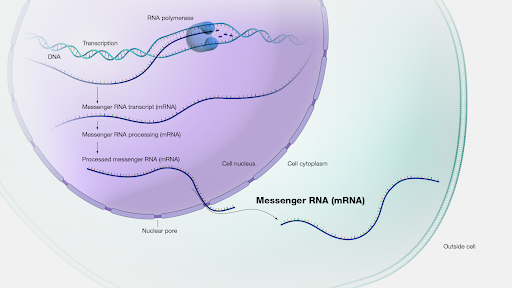
Understanding the function of MEF2C in the cell
Finding it hard to understand and explain the role of MEF2C in the human cell and what MCHS means? We've created an explanation just for you, with just the right amount of science-speak for the everyday parent and caregiver.
Introducing our new blog, CHIRP
Introducing our new blog, CHIRP. We started CHIRP to provide parents, caregivers, scientists, and medical and therapeutic providers with additional information helpful to our collective journey towards effective treatments for kids with MCHS.